Notice how everything seems fine until you hear a drip at night? That’s the tricky part! Many plumbing problems remain hidden during everyday routines, which allows damage to build up. A professional inspection helps by checking those blind spots and calling out issues before they turn into a mess.
On the other hand, early findings give you options for handling minor concerns before they become expensive repairs. That’s also where home plumbing checks matter, since they reveal weak points you can fix right away. With plumbing repair services, you can address the root cause instead of just chasing the same symptoms. Keep reading and learn the key issues inspections tend to uncover first.
Hidden Leaks in Home Plumbing
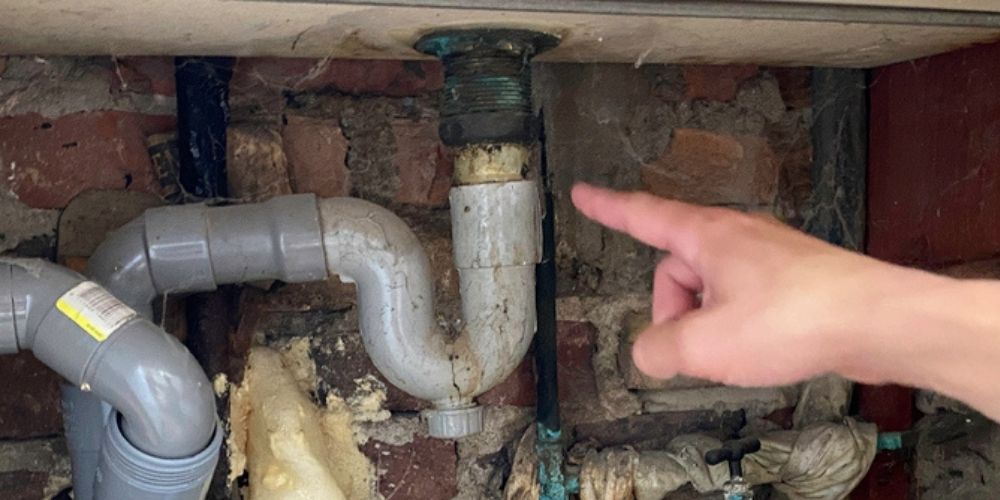
Hidden leaks often go unnoticed during inspections and can go undetected until damage spreads. These issues are common in home plumbing, including the following areas:
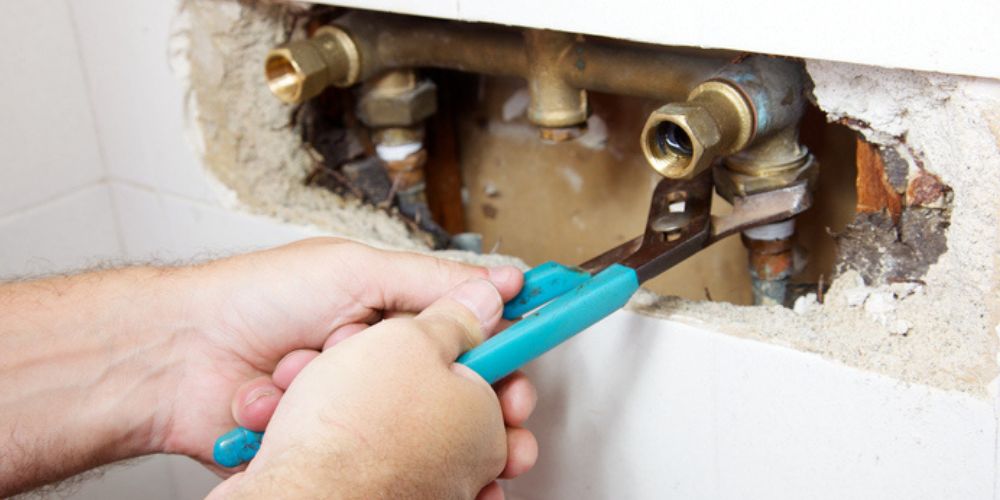
- Behind walls: Supply lines and drain pipes can drip into wall cavities, staining drywall and supporting mold growth.
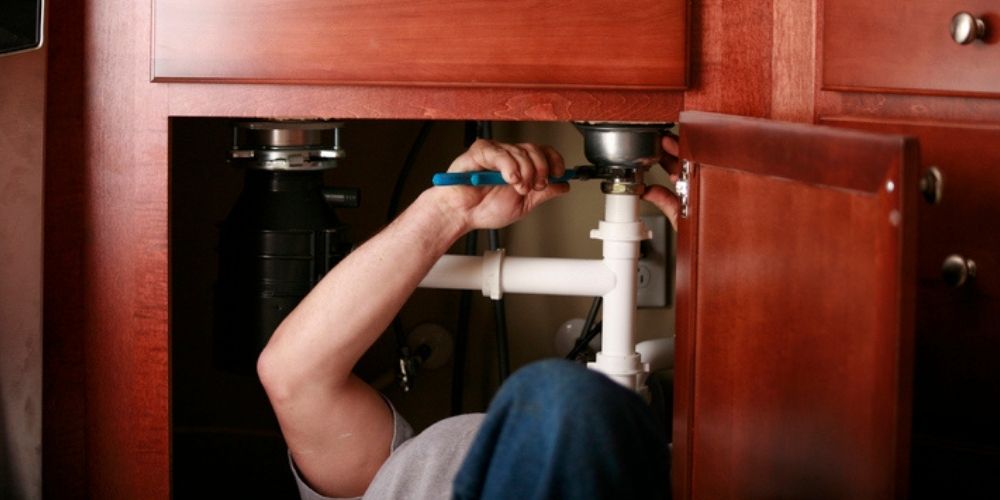
- Under sinks: Loose connections, worn seals, and failing shutoff valves can leak into cabinets and floors.
- Near fixtures: Toilets, showers, tubs, and faucets may leak at seals or connectors, allowing water to reach nearby materials.
- Around water heaters: Slow leaks at fittings or valves can soak flooring and damage nearby walls.
If you ignore leaks, the impact grows over time. As a result, the following problems often follow:
- Mold growth: Ongoing moisture supports mold in cabinets, walls, and flooring.
- Structural damage: Water weakens wood, drywall, and subfloors, leading to rot.
- Higher repair costs: Small leaks can escalate into larger failures, requiring more extensive work.
Plumbing repair services also help identify plumbing leaks early and prevent avoidable damage to surrounding materials. Most importantly, it helps determine common plumbing leaks in your home.
Aging Pipes and Material Failure
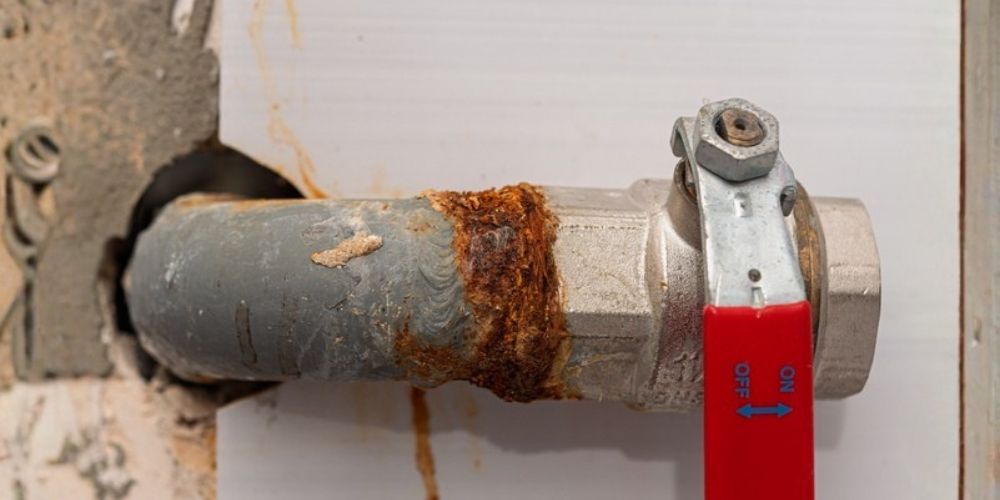
Over time, pipe systems wear down and can affect performance throughout the home plumbing system. During an inspection, professionals flag lines that show clear problems, such as:
- Outdated pipe materials: Older piping can degrade over time, increasing the risk of cracking, splitting, or early failure.
- Corrosion and buildup: Rust and mineral deposits narrow the pipe interior, which can limit flow and affect water clarity or taste.
- Connection wear at joins: Loose fittings, stressed joints, or aging seals can create weak points that cause recurring drips and hidden moisture.
- System-wide flow strain: Worn or restricted lines can lead to uneven water delivery, including low pressure at sinks, showers, and appliances.
When wear appears across several lines, repairs become less predictable. In that case, plumbing repair services help by replacing or upgrading the sections that no longer hold up under daily use.
Drainage and Plumbing Repair Services Alerts
Drainage and venting problems can disrupt home plumbing, so inspections focus on signs of restricted flow or air imbalance. Professionals also check for conditions that increase the risk of backup in lower-level drains. They watch for issues such as:
- Slow drains: Water lingers in sinks, tubs, or showers, which can indicate buildup or a partial blockage.
- Recurring clogs: Repeated clogs in the same fixture often suggest a deeper restriction in the line.
- Gurgling sounds: Drain noises can signal poor venting that pulls air through traps.
- Sewer odors: Persistent smells may indicate a dry trap, a vent problem, or a drain leak.
- Backup evidence: Water marks near floor drains, cleanouts, or lower-level fixtures can indicate past overflow.
Moreover, when they document these problems, the findings often signal the need for plumbing repair services to prevent:
- Wastewater backups: Blocked lines can force water back into fixtures or floor drains.
- Sewer-related damage: Overflows can soak flooring and nearby materials, increasing repair needs.
- Leaks: Ongoing pressure and slow drainage can worsen weak joints behind walls or under floors.
- Line failure: Delayed repairs can turn a partial blockage into a larger issue with a drain or sewer line.
Water Heater and Valve Issues
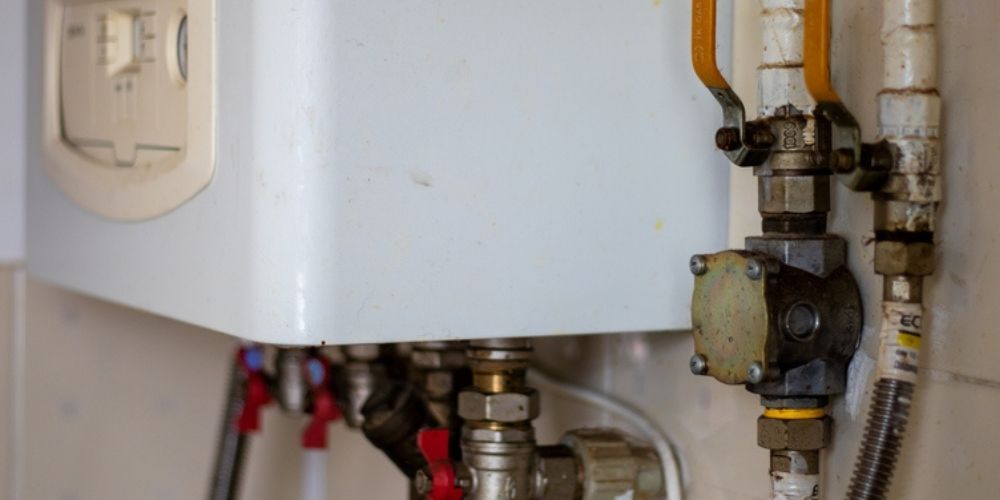
Water heaters and control valves often show problems during inspections, and these issues can affect home plumbing safety and reliability. Since these parts operate under constant heat and pressure, minor defects can lead to sudden failures. Professionals commonly find the following problems:
- Tank or fitting seepage: Moisture around the heater base, fittings, or nearby lines can signal early failure and damage surrounding materials.
- Aging damage at connections: Deterioration around threads, ports, or connected lines often points to wear that worsens with temperature changes.
- Pressure relief valve concerns: A stuck, leaking, or missing valve increases risk by allowing unsafe pressure or heat buildup.
- Unreliable shutoff valves: Valves that fail to close fully can delay response during leaks or emergencies.
When heater or valve problems go unaddressed, failure risk rises quickly. Because these components impact both safety and control, plumbing repair services are essential for restoring proper function and preventing damage.
Installation Errors and Code Gaps
Poor installations and code gaps usually lead to leaks, poor performance, and repeated clogs. During an inspection, professionals check home plumbing for work that does not match accepted standards, including:
- Improper installations: Loose fittings, weak seals, and incorrect connections that raise leak risk.
- Mismatched parts: Incompatible materials, wrong fittings, or poor sizing that restricts flow and strains joints.
- Code violations: Missing shutoff valves, unsafe venting, or improper drain setup that affects safety and function.
- Unstable past repairs: Temporary fixes that hide damage but fail under regular use.
Additionally, fixing these issues early with plumbing repair services supports compliance and long-term reliability because:
- Repairs prevent larger damage: Correct work stops leaks and backups before they spread.
- Proper parts restore performance: Matching components helps the system drain and supply water as designed.
- Code-aligned updates reduce future risk: Correcting violations helps avoid repeat failures during later inspections or renovations.
- Maintenance stays predictable: A correctly installed system reduces recurring service calls.
Small Fixes, Stronger Systems!
Conclusively, home inspections play a critical role by uncovering plumbing risks before they become costly emergencies. Once those issues appear in the report, acting quickly makes all the difference. By working with qualified professionals, homeowners and buyers can address problems early and avoid sudden disruptions. So rather than waiting for a leak or backup, take the next step now. Schedule home plumbing repair services in San Francisco, CA, today to protect your plumbing system and investment.
References:
- Kamble, S. G., & Kumthekar, M. B. (2015, April). Problems Associated With Plumbing and Its Maintenance. Retrieved from https://www.ijert.org/research/problems-associated-with-plumbing-and-its-maintenance-IJERTV4IS040484.pdf
- Leak Guide | San Francisco Water Power Sewer. (2021, July). Retrieved from https://www.sfpuc.gov/sites/default/files/learning/conservation/LeakGuide_ENG_071521.pdf