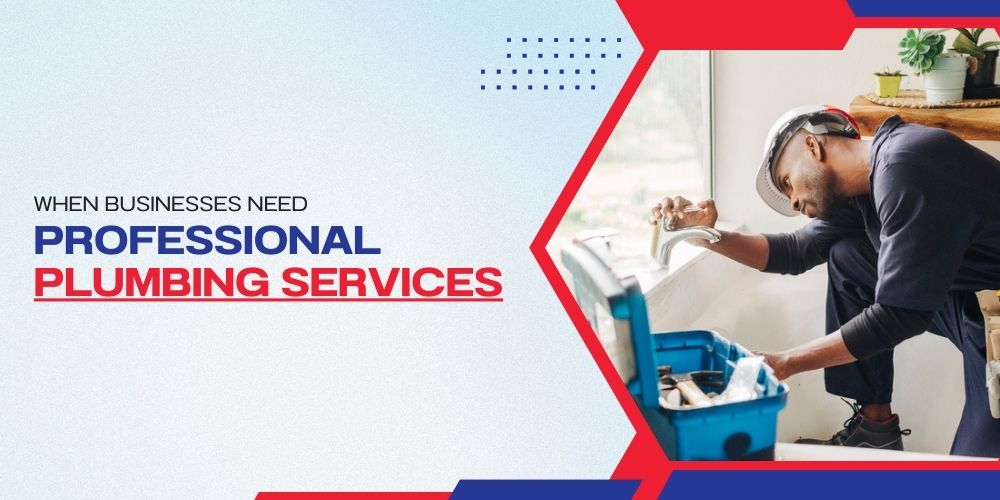
What happens when a plumbing issue shuts down restrooms, sinks, or break rooms in the middle of a workday? In commercial spaces, systems handle heavy use from morning to close. As a result, plumbing problems can spread fast and disrupt routines. Wasted time slows staff down, frustrated customers speak up, and complaints pile up. That’s why plumbing for businesses calls for quick action, not quick fixes. At the same time, it helps to know when a problem can’t wait. The sections below break down the most common “call now” situations.
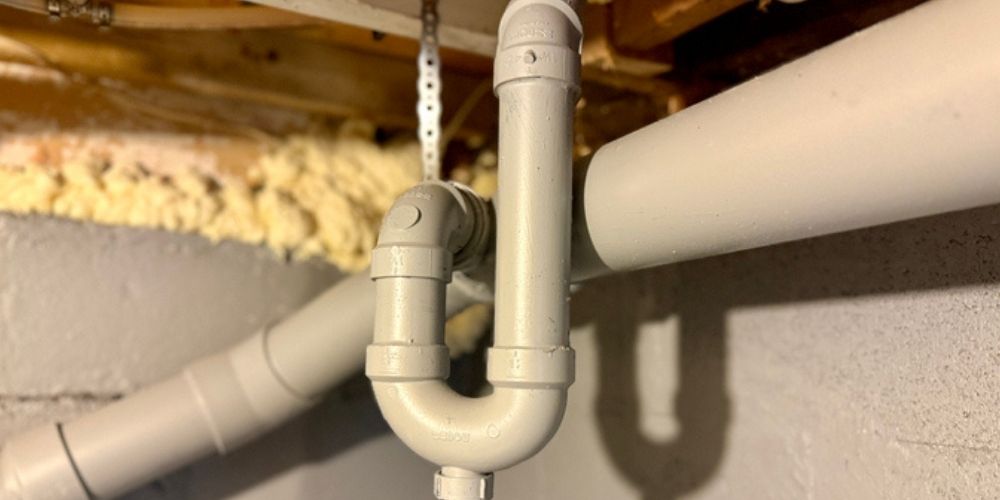
Plumbing Hidden Damage Warning Signs
Hidden damage can develop behind surfaces, and many businesses miss it until repairs disrupt operations. Even so, a few subtle signs can point to moisture buildup. Watch for the following red flags:
- Wall or ceiling discoloration: Stains often show a slow leak spreading behind drywall or tiles.
- Bubbling or peeling paint: Trapped moisture pushes paint away from the surface.
- Warped baseboards: Swelling can signal long-term moisture near flooring edges.
- Damp storage areas: Moisture in closets or back rooms may indicate a leak in a nearby line.
- Mildew smells: A Persistent odor can signal moisture even when water is not visible.
Once these signs appear, act fast and schedule plumbing for businesses before the issue expands. If you delay, moisture can spread into walls and floors, reaching risky areas. The following impacts often drive urgent response:
- Faster spread behind surfaces: Leaks travel along framing and insulation, allowing damage to spread quickly.
- Electrical risk: Water near outlets, panels, or wiring increases safety concerns and downtime.
- Higher cleanup and repair scope: Small leaks can turn into structural damage that demands business plumbing repair.
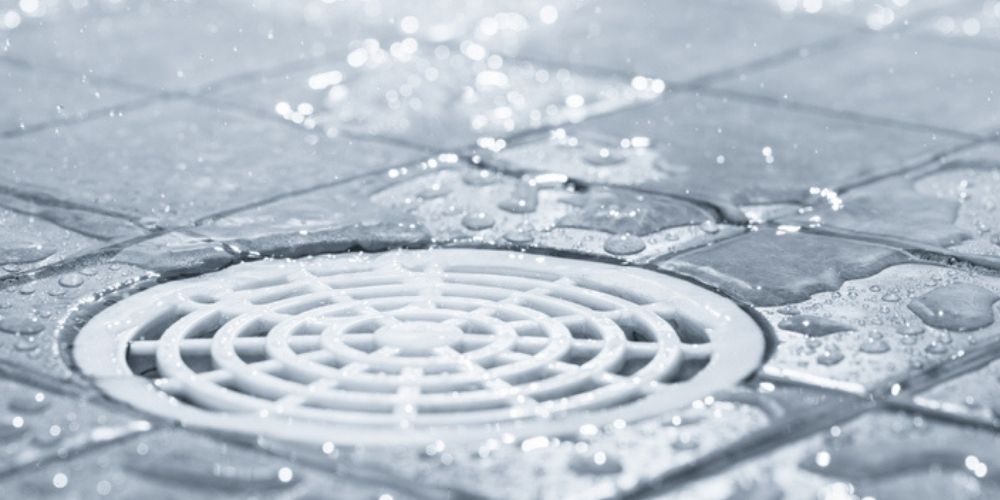
Plumbing Drain Backups and Restroom Problems
Drain backups and restroom issues often repeat when a deeper blockage stays in the line. However, the warning signs show up early if you know what to watch for, including:
- Recurring clogs: Drains slow down again because the buildup remains on the pipe walls, continually catching debris.
- Gurgling drains: A blockage can trap air, causing sinks and floor drains to bubble during use.
- Sewage odors: Waste lingers in the line, which can release odors through drains and restrooms.
- Toilet backups: Toilets overflow when restrictions in the main line affect multiple fixtures at once.
Moreover, restroom reliability also affects compliance and customer experience. For that reason, plumbing services help keep restrooms clean, reduce downtime, and support consistent standards. The following professional actions lower repeat issues and limit business plumbing repair emergencies:
- Accurate diagnosis: Camera inspections locate the blockage and confirm the cause.
- Effective clearing: Professional equipment removes grease, sludge, and compacted debris without guesswork.
- Mainline restoration: Clearing the mainline prevents connected fixtures from experiencing repeated backups.
- Preventive maintenance: Routine cleanings reduce closures, odor complaints, and surprise interruptions.
Water Pressure and Hot Water Failures
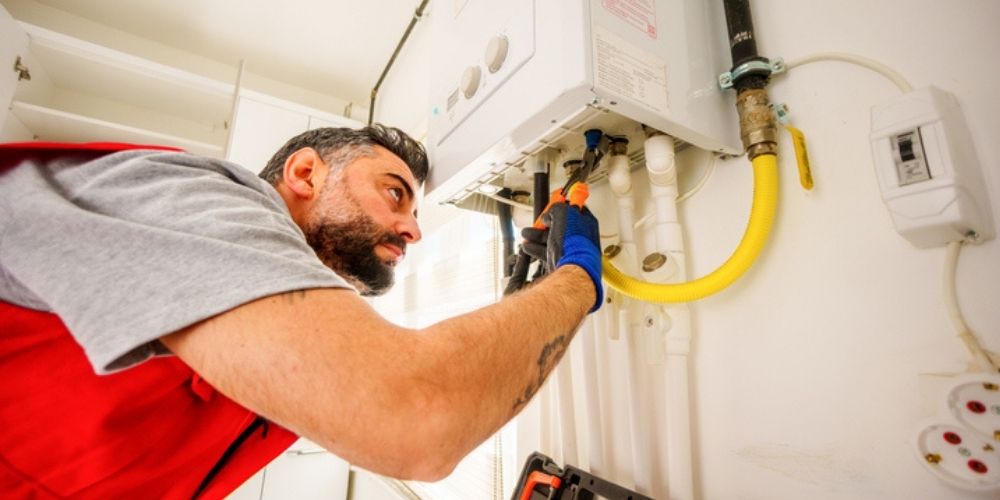
Water pressure and hot water issues can interrupt daily operations in key areas. These problems often occur during heavy use and can affect multiple rooms simultaneously. The following symptoms signal business-critical failures:
- Low pressure during peak hours: Restrooms, kitchens, and cleaning stations slow down when demand rises.
- Inconsistent temperatures: Water shifts between hot and cold, disrupting sanitation routines.
- Slow recovery times: Hot water runs out quickly and takes too long to refill for repeated use.
- Sudden hot water loss: Restrooms, kitchens, or cleaning routines stop when hot water fails without warning.
Also, professional diagnostics identify the root cause of symptoms and prevent repeat breakdowns. With plumbing services, professionals can apply targeted checks that support a lasting fix, such as:
- Pressure testing: Measures supply performance and confirms peak-hour pressure drops.
- Valve inspection: Finds stuck, worn, or misadjusted valves that limit flow and stability.
- Pipe restriction review: Identifies buildup or corrosion that narrows lines and reduces pressure.
- Heater or boiler servicing: Restores consistent output and improves recovery performance.
After-Hours Emergencies
After-hours plumbing emergencies can disrupt operations and damage property. In addition, some incidents create safety risks and require immediate control. The following scenarios call for urgent action:
- Burst pipes: High-flow water can damage walls, floors, and equipment within minutes.
- Flooding: Standing water spreads across work areas, increasing slip and electrical risks.
- No-water events: Loss of water affects restrooms, sanitation, and service needs.
- Sewage backups: Wastewater creates health concerns and can force closures.
- Active leaks: Ongoing leaks damage materials, inventory, and finishes if left unchecked.
Additionally, fast response and containment limit secondary damage and restore service sooner. These methods support safe, code-aligned repairs:
- Isolate affected lines: Shut off valves and section off impacted zones to stop the flow.
- Contain the source: Extract water, protect nearby areas, and begin drying to reduce the spread.
- Stabilize the site: Block access to unsafe zones and protect electrical panels and equipment.
- Complete code-aligned plumbing for business repairs: Replace failed parts with correct materials and fittings for a reliable fix.
- Document the work: Record the cause, affected areas, and repairs to support follow-up prevention.
Remodels, Expansions, and Code Compliance
Remodels and upgrades can change how water lines and drains work. Before construction starts, involve plumbing services when the scope includes the following:
- New restrooms: Add fixtures only after a pro confirms venting, drainage slope, and safe tie-ins.
- Added sinks: If you add hand sinks or prep sinks, plan supply sizing and drainage to avoid slow flow and backups.
- Equipment upgrades: When installing dishwashers, ice machines, or water heaters, set dedicated shutoffs, ensure proper connections, and establish safe discharge points.
- Tenant buildouts: As you rework a suite, reroute lines, add cleanouts, and align connections with local requirements.
- Layout changes: If you move walls, kitchens, or service counters, update drain locations and vent paths so the system performs as intended.
Furthermore, code-focused planning also protects the business. The following steps reduce risk and help you avoid business plumbing repair after a failed install:
- Permits: Secure required permits early, then keep documentation ready for inspections.
- Load checks: Confirm demand and capacity to maintain consistent pressure and drainage.
- Backflow protection: Install the correct device to protect water quality and support approval.
- Inspection prep: Schedule rough-in and final inspections, and correct issues before walls close.
Fix It Fast, Keep Doors Open!
Plumbing problems have a way of showing up at the worst time. Whether it’s recurring leaks, slow drains, pressure issues, heating failures, or emergency repairs during renovations, those moments signal the need for a professional plumber. Addressing problems early keeps operations running, improves safety, and helps avoid surprise expenses with planned service and timely business plumbing repair. Rather than waiting for a shutdown, schedule an inspection or maintenance plan with a licensed commercial provider. It’s the wisest way to keep plumbing for businesses in Brisbane, CA, working smoothly day after day.
References:
- Causes and Solutions for Gurgling Drains | Elitebook (n.d.). Retrieved from https://scalar.usc.edu/works/eiltebook/causes-and-solutions-for-gurgling-drains/
- Funky Smell? It Might Be a Dry Drain | Princeton University Environmental Health & Safety. (2023, April 19). Retrieved from https://ehs.princeton.edu/news/keep-drain-traps-drying-out
- Signs It’s Time to Call an Emergency Plumber | Nehemiah Project. (2025, October 21). Retrieved from https://nehemiahprojectcdc.org/resources/signs-its-time-to-call-an-emergency-plumber