
Dealing with tough drain blockages can be frustrating and time-consuming, especially when DIY methods don’t work. Often caused by compacted grease, tree roots, deep obstructions, or broken pipes, these blockages require a professional approach. A clogged drain repair specialist possesses the skills, equipment, and methods necessary to handle these problems efficiently. Keep reading and learn how specialists deal with tough clogs step-by-step, ensuring your drains are clear, functional, and safe.
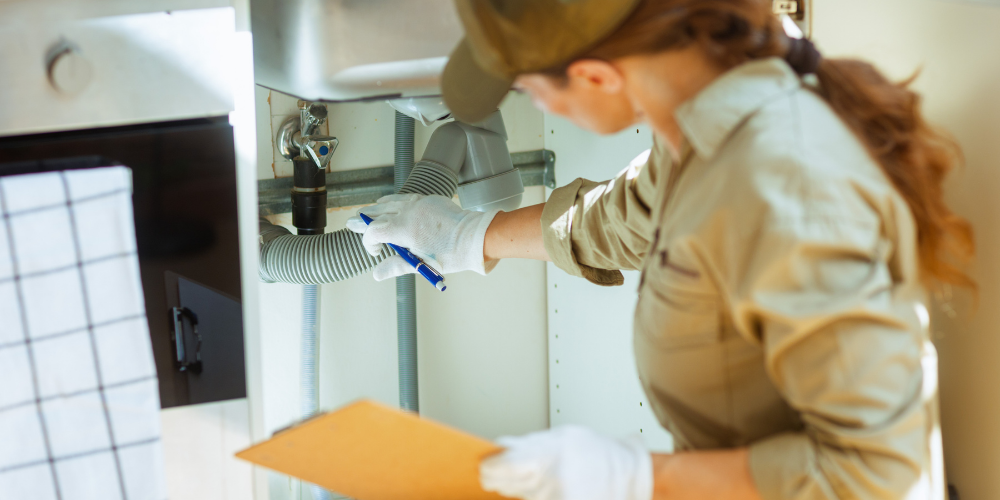
Inspecting the Drain to Find the Exact Problem
Before any drain cleaning begins, a specialist must understand what is happening inside your pipes. Without proper inspection, you risk treating symptoms rather than addressing the real issue. Professionals rely on accurate tools to pinpoint the clog and assess pipe condition, and here’s how they do it:
- Use small drain cameras to look directly inside the pipe and identify where the blockage sits.
- Check for grease buildup, root intrusion, collapsed sections, or compacted debris.
- Check the water flow to assess the severity of the restriction.
- Inspect pipe joints and connections to see if structural issues contribute to the clog.
Because of this process, the specialist does not guess. Instead, they clearly see the problem. After identifying the blockage, the next step depends on what the inspection reveals. Here’s why inspections always come first:
- Prevent using the wrong method, which could damage older pipes.
- Avoid unnecessary clogged drain repair methods if simple drain blockage removal can fix the issue.
- Determine whether basic drain cleaning will work or if advanced tools are needed.
- Save you time and money by targeting the issue directly.
Therefore, inspection ensures every step that follows is accurate and effective.
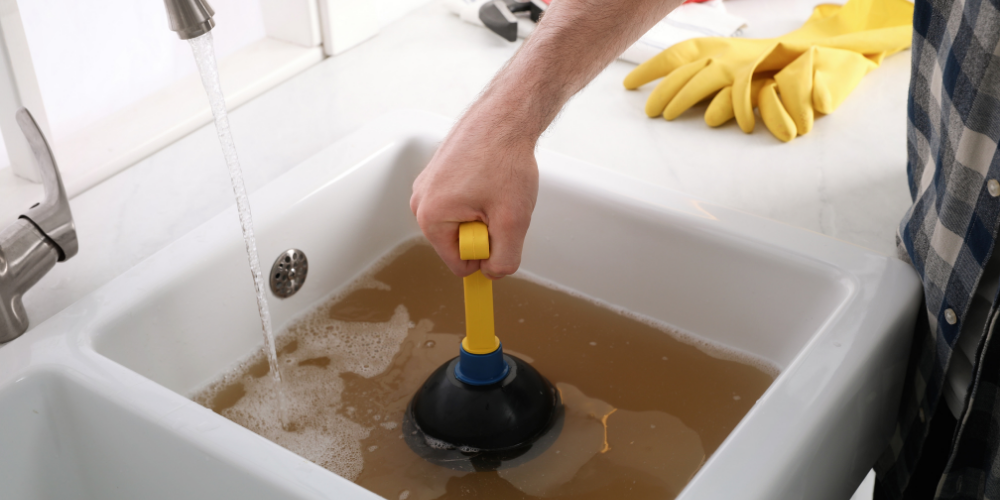
Drain Cleaning to Clear Built-Up Grease and Sludge
Once the specialist confirms the clog’s location and type, they move forward with drain cleaning. It restores proper water flow while setting the system up for the next steps in drain blockage removal. Drain cleaning also focuses on removing buildup and small blockages to open up the pipes. The main targets include the following:
- Grease and soap scum: Sticky residues can line pipes and harden over time, significantly slowing water flow.
- Mineral deposits: These deposits can form from hard water and create stubborn clogs in your drainage system.
- Food waste and debris: Professionals remove leftover scraps and fibrous materials that accumulate in kitchen drains.
Because of thorough drain cleaning, the pipe regains its full diameter and water flows freely again. Additionally, specialists rely on advanced methods to clean the pipe thoroughly while ensuring it remains intact. The most common techniques include the following:
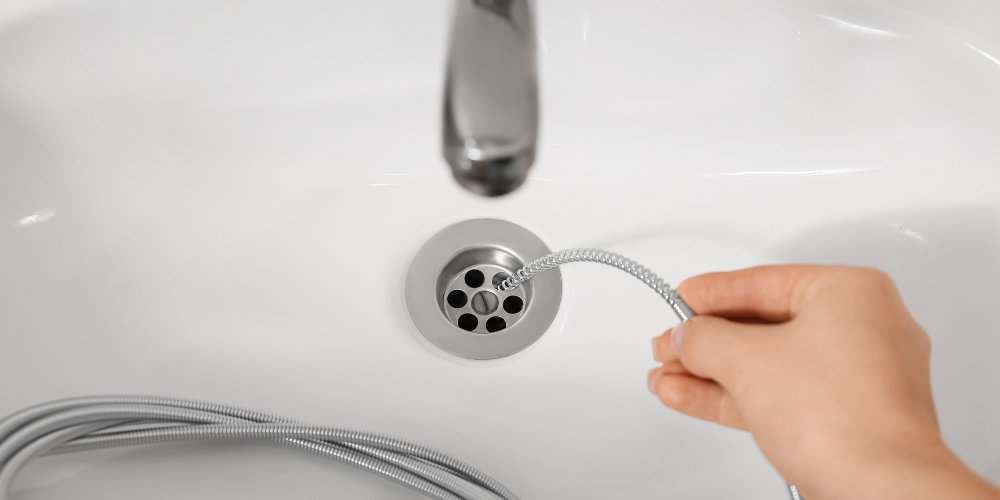
- Snaking: A flexible tool that’s fed into the drain to break apart small clogs and pull out debris.
- Hydro jetting: High-pressure water blasts clean the pipe walls and flush out slippery grease and hardened sludge.
- Chemical-free solutions: Eco-friendly cleaning agents can also be used to dissolve buildup safely.
As a result, drain cleaning not only clears the clog but also prevents it from returning quickly.
Drain Blockage Removal for Roots and Solid Obstructions
Sometimes, standard drain cleaning is not enough. In more serious cases, tree roots, foreign objects, or hardened debris completely block the line. At this stage, specialists perform full drain blockage removal to clear the obstruction completely. Their process usually involves the following steps:
- Cut through tree roots that invade underground pipes.
- Remove solid objects accidentally flushed down drains.
- Break apart hardened grease masses deep inside the pipe.
- Clear compacted debris that standard tools cannot move.
Because drain blockage removal targets full obstructions, it restores proper drainage even in severe cases. Even during aggressive clearing, pipe protection remains a priority. Professionals follow these precautions:
- Use precision cutting heads designed for specific pipe sizes.
- Avoid excessive pressure that may crack weakened lines.
- Inspect the pipe again after removing the rain blockage to confirm stability.
- Recommend clogged drain repair only if structural damage exists.
Therefore, the specialist removes the blockage without creating new problems.
Fixing Recurring or Severe Drain Blockages
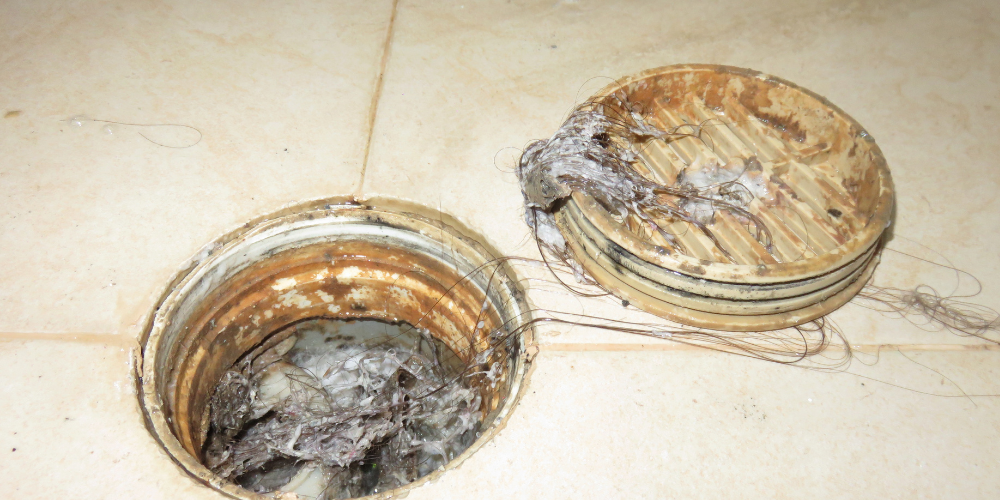
If your drain keeps clogging, the issue likely goes deeper. While surface drain cleaning may help temporarily, recurring blockages usually indicate buildup deep in the main line or hidden pipe damage. Recurring clogs happen for several common reasons, such as:
- Partial drain cleaning leaves residue behind.
- Grease continues accumulating along the pipe walls.
- Tree roots regrow inside the drain line.
- Pipe slope issues slow water flow and trap debris.
To prevent recurring clogs, specialists take additional corrective measures using advanced strategies. These solutions often include the following:
- Performing deeper cleaning techniques like hydro jetting for stubborn buildup.
- Repairing or replacing damaged sections of pipes to prevent waste from collecting.
- Offering maintenance recommendations or follow-up services to keep drains clear over time.
Clogged Drain Repair When Pipes Are Damaged
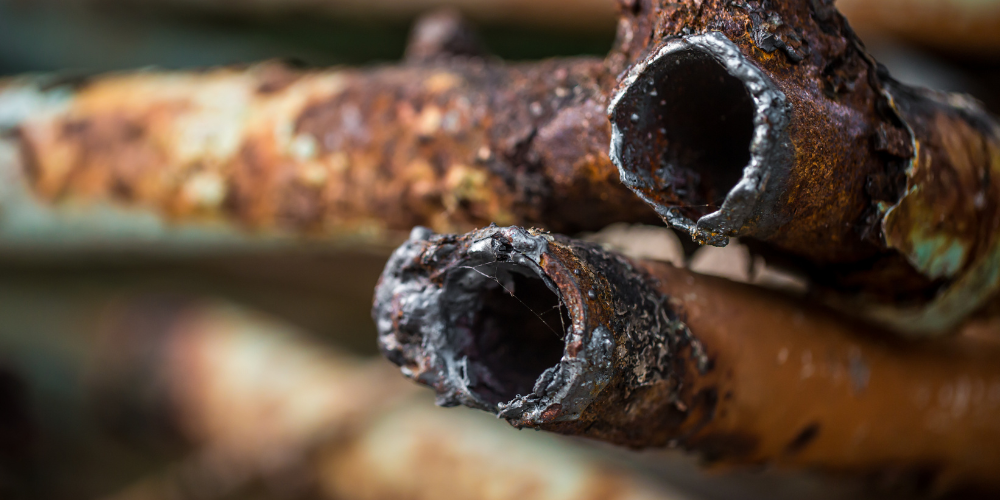
Pipe damage is often the cause of chronic blockages or leaks. Specialists turn to clogged drain repair methods to patch or replace damaged sections of the piping system. Experts discover and address the following problems:
- Cracked pipes: Small cracks trap debris and compromise water flow.
- Collapsed sections: Full pipe replacement is required when large sections of the piping system fail.
- Corrosion: Rusted or worn pipes begin to crumble, leading to obstructions and drainage problems.
Because of these conditions, clogged drain repair restores proper structure and prevents further issues. Moreover, repairing or replacing pipes is a delicate process that requires expertise to restore the drainage system. Professionals typically use the following clogged drain repair methods:
- Trenchless repairs: Specialists use non-invasive methods to patch cracks or leaks without digging up your yard.
- Pipe replacement: Full replacement may be necessary in cases of severe damage or collapse.
- Preventative measures: Upgraded materials or coatings are applied to prevent future wear and tear.
Solving Tough Drain Blockages the Right Way!
Tough drain clogs demand more than guesswork. A clogged drain repair specialist in Colma, CA, uses a reliable process to fully restore your plumbing. From inspection to drain cleaning, from drain blockage removal to clogged drain repair, each step plays a role.
When you act early, you avoid bigger plumbing problems later. So instead of waiting for another backup, take control now and let a specialist handle it properly.
References:
- Yusuf, H. H., Roddick, F., Jegatheesan, V., Gao, L., & Pramanik, B. K. (2023). Tackling fat, oil, and grease (FOG) build-up in sewers: Insights into deposit formation and sustainable in-sewer management techniques. The Science of the Total Environment, 904, 166761. Retrieved from https://www.sciencedirect.com/science/article/pii/S004896972305386X
- Root clogging. (n.d.). Retrieved from https://www.canr.msu.edu/drainage/conventional-drainage/drainage-under-performance/root-clogging
- How to unclog a drain without harsh chemicals – David Suzuki Foundation. (2025, September 10). Retrieved from https://davidsuzuki.org/living-green/how-to-unclog-a-drain/