
Seeing stains on your ceiling or paint starting to peel for no apparent reason? These signs often point to hidden leaks that slowly damage your home. Pipe leak detection allows you to find the source before the problem spreads. Instead of waiting for a burst pipe, you take control early.
Moreover, even small leaks can weaken wood, drywall, and insulation over time. With moisture detection, you can identify trapped water in walls and floors before it causes structural damage. Acting sooner helps you avoid significant disruption and high costs. Read on to see how early checks can protect your home.
Why Sustainable Plumbing Practices Matter
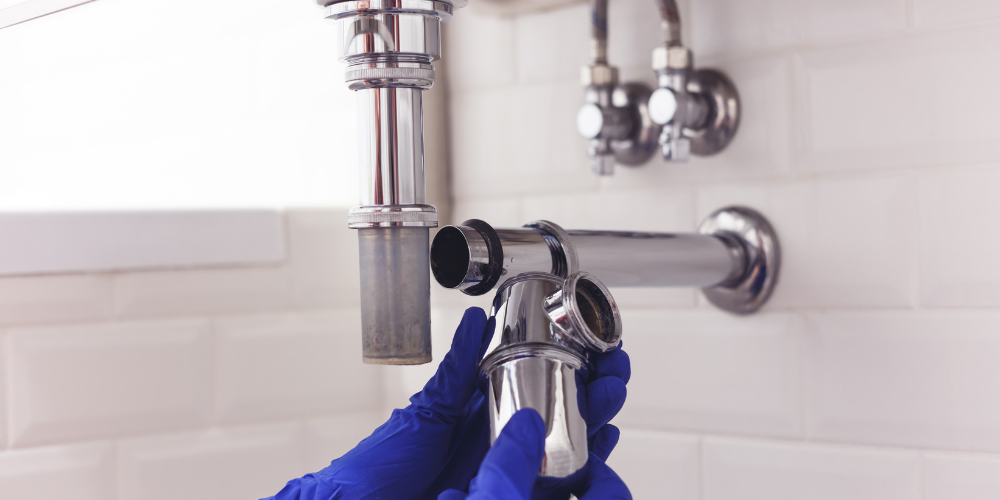
Sustainable plumbing practices reduce water loss and improve long-term performance. Since waste often comes from minor daily issues, the following steps make the most significant difference:
- Stopping drips and leaks: Fixing worn seals and loose fittings prevents steady water loss.
- Reducing overuse: Flow controls and mindful habits limit unnecessary demand.
- Replacing inefficient fixtures: Low-flow toilets and aerators cut use without affecting comfort.
- Maintaining balance: Regular checks keep pressure steady and support plumbing efficiency.
These improvements also create broader benefits for homeowners and communities, including:
- Less strain on local water supplies: Lower demand helps protect shared resources during high-use periods.
- Reduced energy use for heating water: Using less hot water decreases energy consumption and eases the load on water heaters.
- Fewer emergency repairs: Preventive maintenance reduces the chance of sudden failures and costly water damage.
- Longer system lifespan: Ongoing maintenance helps minimize wear on pipes, valves, and fixtures.
Fix Leaks Fast for Plumbing Efficiency
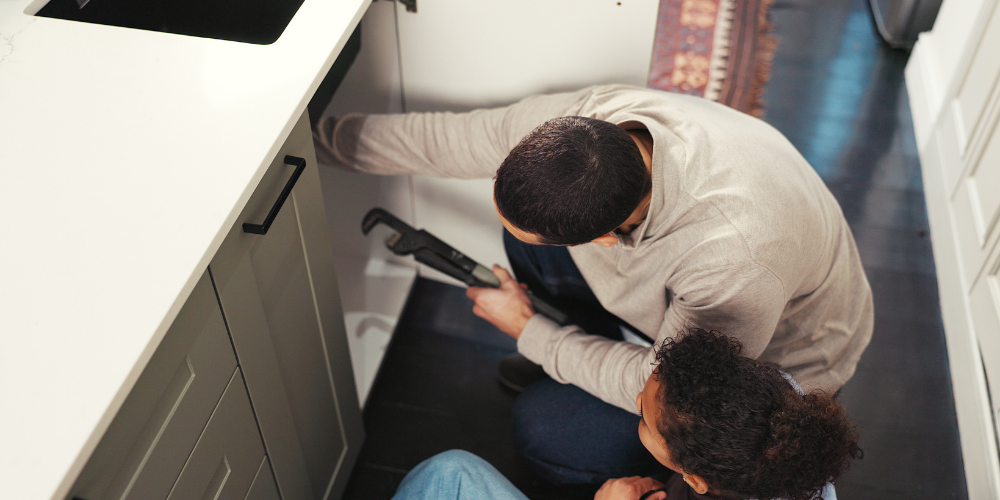
Fix leaks quickly to improve plumbing efficiency, as small losses add up and strain fixtures over time. Start with a simple routine that targets common leak points, and then act on what you find. Use this leak-first routine to spot problems early:
- Check toilets for silent running: Listen for refilling sounds, add dye to the tank, and watch for color in the bowl.
- Inspect faucet aerators: Remove the aerator, clear debris, and confirm steady flow.
- Examine under-sink valves and supply lines: Look for dampness, corrosion, or mineral buildup around connections.
- Monitor the water meter: Turn off all water, note the reading, and recheck it after 15–30 minutes to see if it changes.
Additionally, focus on quick-win sustainable plumbing practices that reduce waste and help prevent hidden leaks, such as:
- Replace worn flappers: Swap cracked or loose flappers to stop toilet leaks.
- Tighten fittings: Secure slip nuts and supply connections, and replace washers if seepage continues.
- Reseal fixtures: Apply fresh caulk around tubs and sinks to block seepage.
- Schedule routine checks: Check fixtures and exposed lines on a set routine to catch slow leaks early.
Upgrade to Environmentally Friendly Plumbing Fixtures
Upgrading to environmentally friendly plumbing fixtures reduces water use without sacrificing comfort. Modern designs maintain steady performance while lowering daily consumption. Take into account the following upgrades:
- WaterSense-labeled toilets: Replace older toilets to lower water use per flush while maintaining reliable clearing.
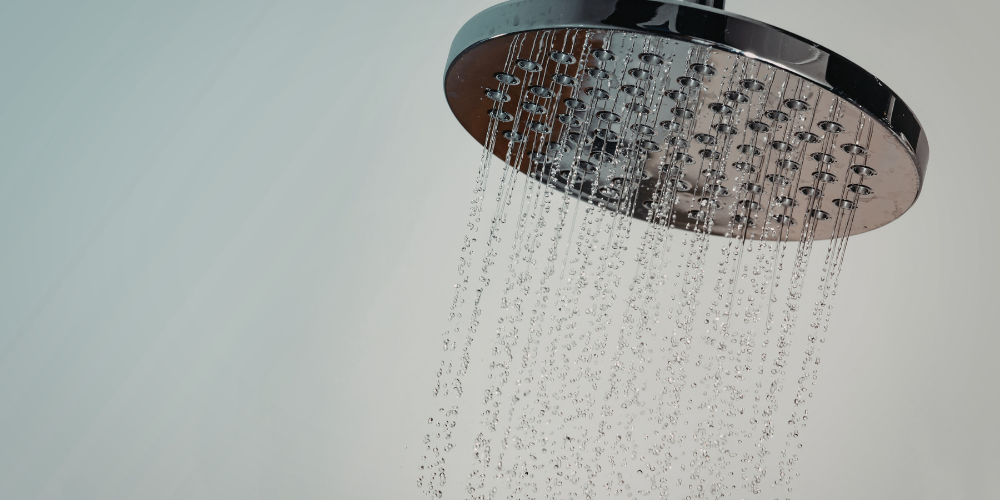
- Low-flow showerheads: Install models that limit flow while keeping consistent spray coverage.
- Efficient faucet aerators: Add aerators that reduce flow while keeping a steady stream for daily tasks.
- Pressure-compensating fixtures: Choose fixtures that hold a consistent flow even when water pressure changes.
At the same time, to strengthen plumbing efficiency, apply installation best practices that prevent performance issues, such as:
- Match flow rates to household needs: Select fixture flow rates that align with usage patterns, ensuring fixtures perform well during peak demand.
- Ensure proper pressure regulation: Check home water pressure and adjust or add a pressure regulator when needed to protect fixtures and reduce waste.
- Avoid “too-low flow” mistakes: Don’t reduce flow so much that showers or faucets run longer to finish tasks, since longer run times can offset water savings.
- Test after installation: Inspect for leaks and confirm stable flow at multiple fixtures to verify consistent results.
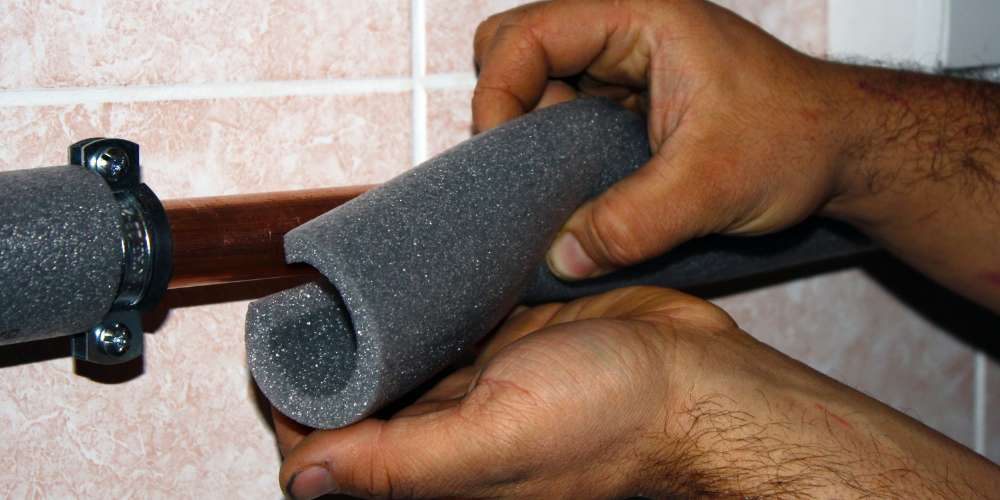
Efficient Hot Water Use
Heating water uses a significant share of a home’s water and energy consumption. Therefore, improving delivery and usage habits strengthens sustainable plumbing practices while lowering utility costs. To cut hot-water loss, focus on the following approach:
- Insulate hot-water pipes: Cover exposed lines so water stays warm as it moves to faucets and showers.
- Install a recirculation option: Use a timer or on-demand setup so hot water reaches fixtures faster, reducing the need to run the tap.
- Adjust heater temperature: Follow the manufacturer’s guidance to reduce energy use while keeping water hot enough for daily needs.
In addition, simple routines support sustainable plumbing practices and help reduce both water and energy use, such as:
- Capture warm-up water: Collect the cool-to-warm water in a container and reuse it for plants or cleaning.
- Run full loads: Wait until you have a full load so each cycle uses water more efficiently.
- Select eco cycles: Select settings that limit water use and reduce heating demand.
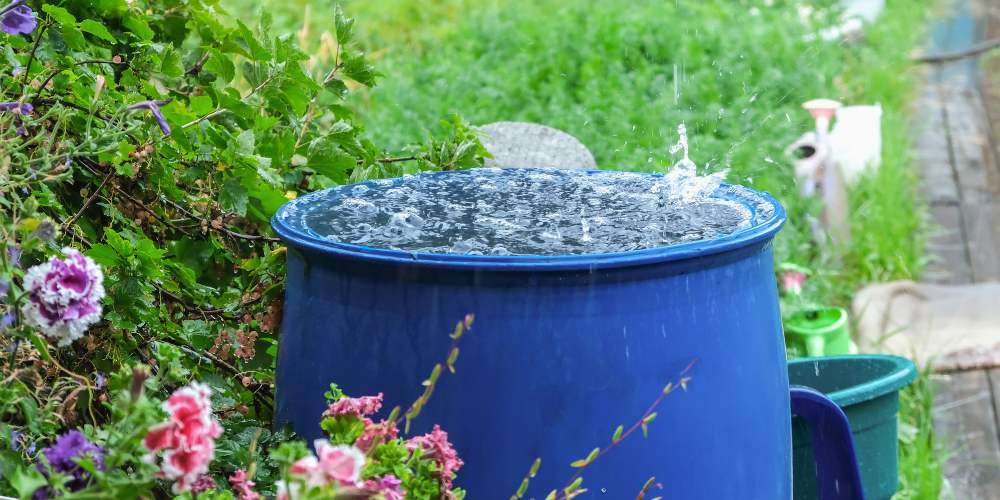
Reuse and Monitor Water for Plumbing Efficiency
Reusing and monitoring water improves plumbing efficiency and supports responsible resource management. Homeowners can reduce waste by installing reuse systems where appropriate and consistently tracking water use. Reuse options that reinforce sustainable plumbing practices include:
- Rainwater collection: Collect roof runoff in barrels or tanks and use it for landscaping to reduce demand on the main supply.
- Greywater-ready planning (where allowed): Install drain pathways and fixtures that support greywater reuse for irrigation, as permitted by local codes.
- Drip irrigation with smart timers: Direct water to plant roots, then use timers to control schedules and prevent overwatering.
Tracking tools also strengthen environmentally friendly plumbing goals by helping homeowners detect leaks and spot waste early, including:
- Smart leak detectors: Place sensors near common risk areas to alert you when leaks start.
- Usage-monitoring apps or meters: Review daily or weekly use to identify patterns and catch unexpected spikes.
- Monthly water audit: Compare bills and usage data to confirm normal consumption and flag any sudden changes.
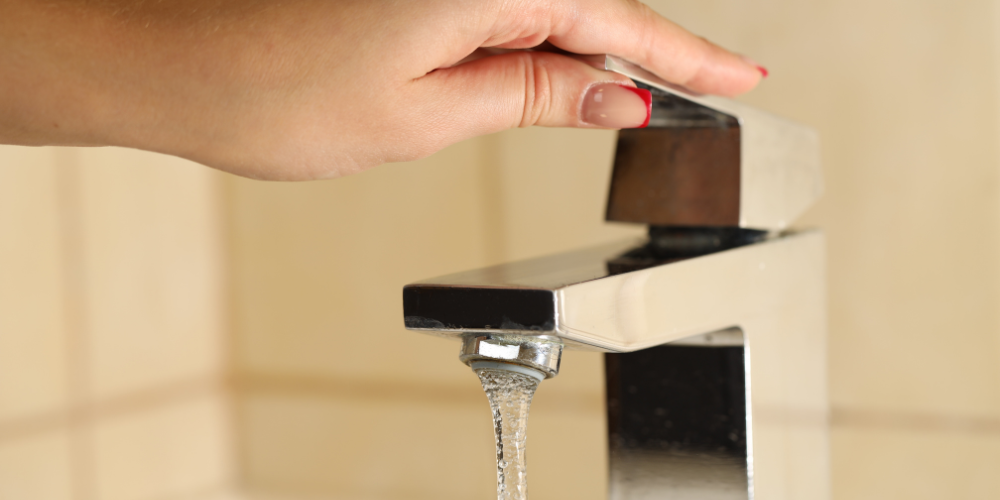
Every Drop Does Double Duty
Conclusively, sustainable plumbing practices work best when you keep the focus simple. Start with leak prevention, then upgrade fixtures that waste water. Use hot water with purpose, and watch your usage so you can spot problems early. These habits support steady gains in plumbing efficiency without adding stress to your routine.
Environmentally friendly plumbing also pays off over time. You can lower utility costs, deal with fewer repairs, and reduce your footprint, especially when you build changes step by step. Choose one upgrade this week, such as a leak check, an aerator swap, or an installation of a low-flow fixture. Small moves add up, and California’s environmentally friendly plumbing can help you build lasting results while improving plumbing efficiency today.
References:
- WaterSense Labeled Toilets Fact Sheet | WaterSense | US EPA. (n.d.). Retrieved from https://19january2017snapshot.epa.gov/www3/watersense/pubs/toilets.html
- Rainwater & Reuse | WaterSense | US EPA. (n.d.). Retrieved from https://19january2017snapshot.epa.gov/www3/watersense/outdoor/rainwater_reuse.html