
Have you ever wondered why your drains slow down even when you’re careful about what goes in them? Roots constantly search for moisture underground, and sewer lines offer an ideal source. When roots find a small crack, they slip inside, spread through the pipe, and restrict water flow without any visible warning.
As these roots grow thicker, they create blockages that lead to backups, leaks, and expensive repairs. That’s why ongoing root control plays a significant role in preventing major plumbing issues before they escalate. Continue reading to learn methods for addressing these unseen issues and ensuring the long-term protection of your sewer system.
Understanding Root Intrusion
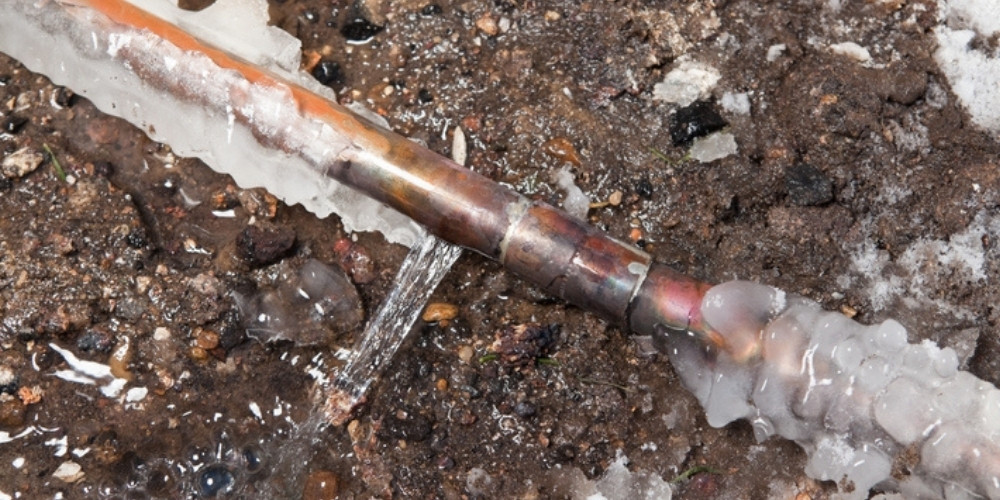
Moisture escaping through small openings in underground pipes often draws nearby tree roots toward the source. As a result, even minor cracks can become entry points where roots begin to grow and obstruct the line. The following factors explain why roots target sewer and drain pipes:
- Moisture around the pipe: Water leaking through small gaps attracts roots seeking hydration.
- Nutrient-rich wastewater: Organic material inside the pipe encourages roots to push through weak spots.
- Warm pipe conditions: Steady warmth around buried lines supports ongoing root growth.
In addition, homeowners often overlook early warning signs that indicate the onset of an intrusion. These indicators commonly appear before significant damage develops:
- Slow drains: Reduced flow in sinks or tubs may indicate roots narrowing the pipe.
- Recurring blockages: Frequent clogs suggest roots continue to expand inside the line.
- Gurgling sounds: Air trapped by partial blockages often creates noise in connected fixtures.
- Localized wet patches: Damp soil above buried lines can reveal leaks that attract more roots, potentially leading to further damage.
Key Benefits of Root Control
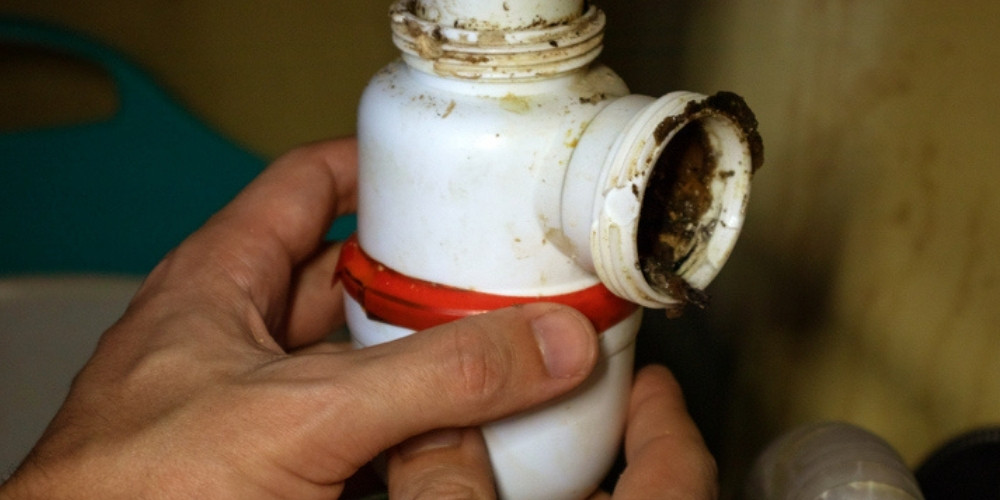
Consistent root control helps protect plumbing systems by preventing blockages and reducing strain on underground pipes. It also supports long-term system reliability by addressing issues before they damage the structure. The following benefits highlight why routine root management matters:
- Maintains flow efficiency: Removing root intrusions keeps wastewater moving freely through the line.
- Protects structural integrity: Clearing roots prevents pressure buildup that can cause pipes to crack or collapse.
- Reduces recurring clogs: Managing root growth limits blockages that disrupt normal system performance.
Moreover, managing root intrusion reduces the likelihood of unexpected system failures. These are the benefits:
- Prevents emergency cleanouts: Routine treatment minimizes sudden blockages that require urgent service.
- Avoids major repairs: Stopping root growth early helps prevent pipe breaks and costly reconstruction.
- Extends system lifespan: Consistent control lowers wear on pipes and supports long-term functionality.
Root Intrusion Prevention Methods
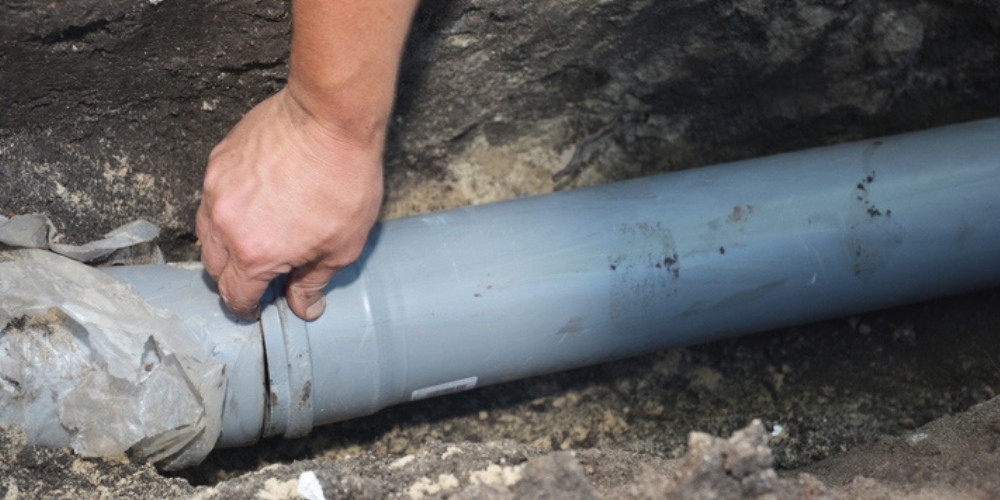
Pipes near trees or shrubs often face recurring issues, so effective root intrusion prevention requires removing existing growth and reducing the chance of regrowth. The following options show how each approach works:
- Chemical treatments: Applying a root destroyer inside the pipe targets invading roots, removes blockages, and leaves a protective layer that discourages new growth.
- Mechanical treatments: Root-cutting tools remove root masses, restore water flow, and allow follow-up treatments to reach deeper areas of the pipe.
- Foaming treatments: Expanding foam coats pipe walls, fills cracks, and provides even coverage that helps prevent roots from re-entering the system.
Additionally, preventive applications provide long-term protection, such as:
- Internal barrier formation: After clearing roots, applying protective coating solutions to the pipe interior slows future root activity.
- Routine maintenance cycles: Scheduled applications keep treatments effective and reduce the likelihood of root regrowth.
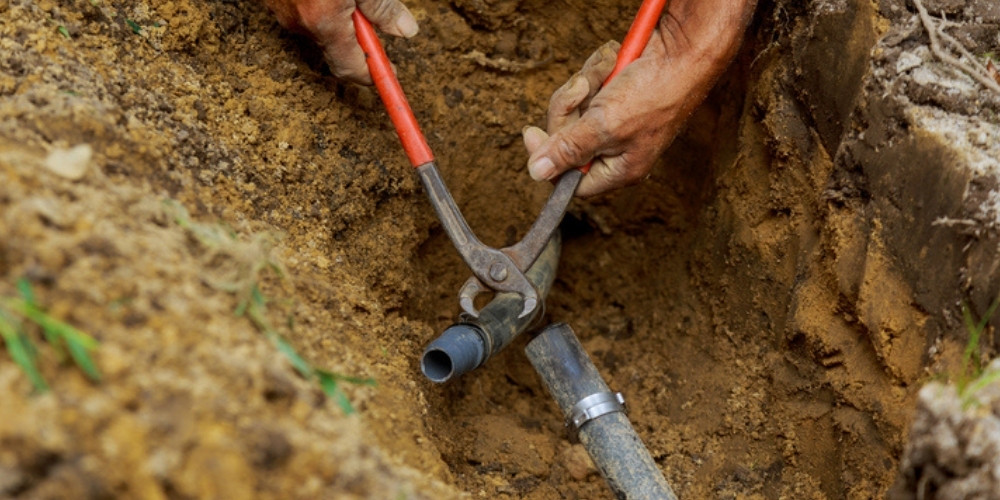
Sewer and Drain Protection Strategies
Long-term sewer and drain protection relies on pairing treatments with regular inspections. This combination helps detect issues early and maintain system performance. Effective strategies include the following:
- Pair treatments with pipe inspections: Identifying buildup or damage ensures timely corrections.
- Verify treatment results: Inspections confirm whether previous applications were practical and identify areas that require follow-up.
- Identify early warning signs: Routine checks uncover leaks, blockages, or structural concerns before they worsen.
Scheduled maintenance also helps mitigate common risks that can impact performance and system reliability. Use these steps to maintain a stable and well-functioning system:
- Remove root intrusions: Regular monitoring catches roots entering sewer lines before they create major blockages.
- Evaluate aging pipes: Tracking wear helps determine when repairs or replacements are necessary.
- Clear debris accumulation: Maintenance prevents buildup that restricts flow and strains the system.
- Inspect joints and seals: Early detection of weak points reduces the chance of leaks and infiltration.
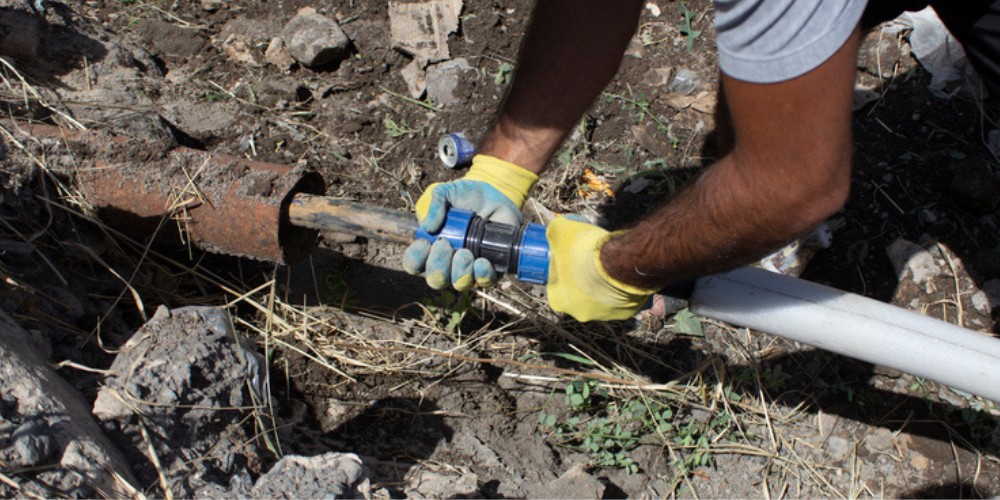
Choosing the Right Root Control Product
Selecting the right product is essential for managing intrusions in sewer or drain lines. Using the proper features improves treatment effectiveness and helps protect the plumbing system. The following highlights what to look for when evaluating professional-grade solutions:
- Foaming action: This feature allows the product to expand and coat pipe interiors for more complete coverage.
- Long-lasting formulas: Products designed to remain active provide extended protection after application.
- Safe application guidelines: Clear instructions help homeowners avoid misuse and protect the plumbing system.
- Compatibility with pipe materials: Selecting a product compatible with the pipe type minimizes the risk of damage.
Furthermore, knowing when to apply treatments yourself helps prevent unnecessary repairs. Take note of these procedures:
- DIY-appropriate situations: Homeowners may apply treatments when intrusion is minor and the system drains normally.
- Calling a plumber: Slow drains, recurring blockages, or backups signal the need for professional service.
- Value of expert assessments: Plumbers can inspect the line, confirm the level of intrusion, and apply stronger root control treatments safely.

Keep Roots Out!
Conclusively, maintaining your plumbing’s health for the long run begins with staying ahead of root growth. That’s why reinforcing the value of proactive root intrusion prevention and smart sewer and drain protection makes such a big difference. Using an effective strategy enables you to minimize unexpected expenses and maintain a smoothly running system throughout the year. Regular maintenance isn’t just a good idea—it’s the simplest way to prevent roots from becoming bigger problems.
If you’re ready to protect your home and want a strategy built for your system, reaching out to a plumbing expert is the next best step. They can guide you through the most effective options and help you select a plan that suits your needs. For local guidance and reliable service, consider root control solutions in Brisbane, CA, so that you can stay ahead of root issues with confidence.
References: