
Why does a minor drip end up costing hundreds in repairs? The answer often comes down to delayed detection of pipe leaks. Even a small leak can damage drywall, flooring, and framing over time. With timely moisture detection, homeowners can identify hidden damp areas before mold or wood rot sets in.
By addressing leaks early, you reduce repair costs and avoid sudden plumbing emergencies. A proactive approach keeps your home stable and your water system reliable. Read on to see how early detection can make a real difference.
Spot Early Warning Signs
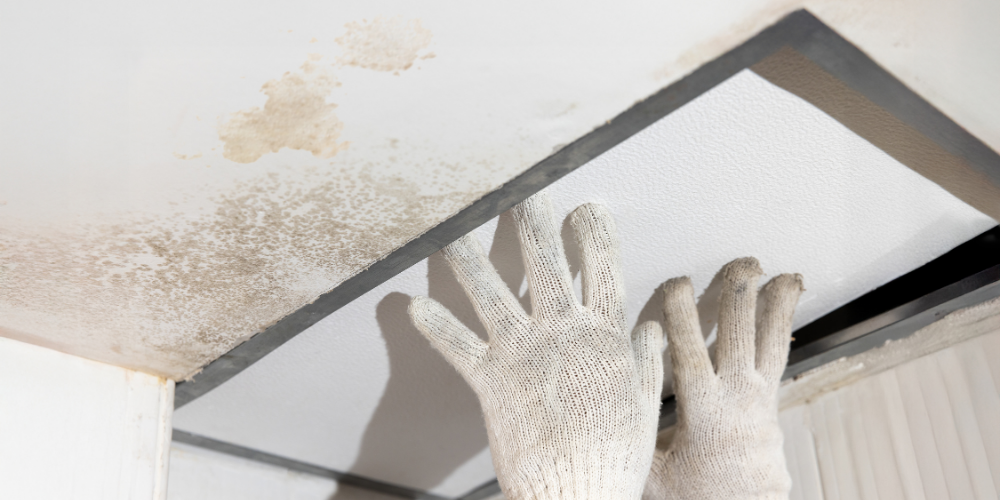
Spot early warning signs so you can address leaks before they cause larger repairs. Since minor issues can grow quickly, watch for common clues that signal you need pipe leak detection, including:
- Water stains: Check ceilings, walls, and baseboards for discoloration or peeling paint.
- Rising water bills: Compare recent bills to past months when your water use stays the same.
- Damp or musty smells: Note persistent odors near bathrooms, kitchens, laundry areas, or enclosed spaces.
- Low water pressure: Watch for sudden pressure drops at faucets or showers with no apparent cause.
Also, monitor walls and floors because surface changes often signal trapped moisture. In these areas, moisture detection can help confirm a leak before it spreads, including:
- Bubbling paint or soft drywall: Press lightly and note any warping or weak spots.
- Buckling floors or loose tiles: Look for lifting, uneven sections, or new gaps near plumbing lines.
- Cracks near wet zones: Track cracks around sinks, tubs, toilets, and utility spaces.
- Damp spots near fixtures: Check under sinks, behind toilets, and around appliances for moisture buildup.

Check High-Risk Areas First
To catch leaks early, start with the spots where moisture often builds up without warning. Weekly checks in high-risk zones can help prevent hidden buildup. Focus on the following areas first:
- Under sinks: Check supply lines, shutoff valves, and drain traps for drips, rust, or water stains.
- Around water heaters: Look for damp floors, corrosion at fittings, and signs of slow leakage around the base.
- Near appliances: Inspect behind dishwashers, refrigerators with water lines, and washing machines for pooling water, stained flooring, or soft surfaces.
For stronger results, combine simple at-home checks with moisture detection tools, including:
- Use touch and sight: Feel for dampness, look for swelling or discoloration, and note any musty odor.
- Confirm small leaks: Use a flashlight and a paper towel to verify small leaks at joints and connections.
- Use inspection-grade equipment: Pros use meters and thermal imaging to find hidden damp areas behind walls or under flooring.
- Document changes: Take photos and note locations so repairs address the source, not just the symptom.
Use Smart Tools for Pipe Leak Detection
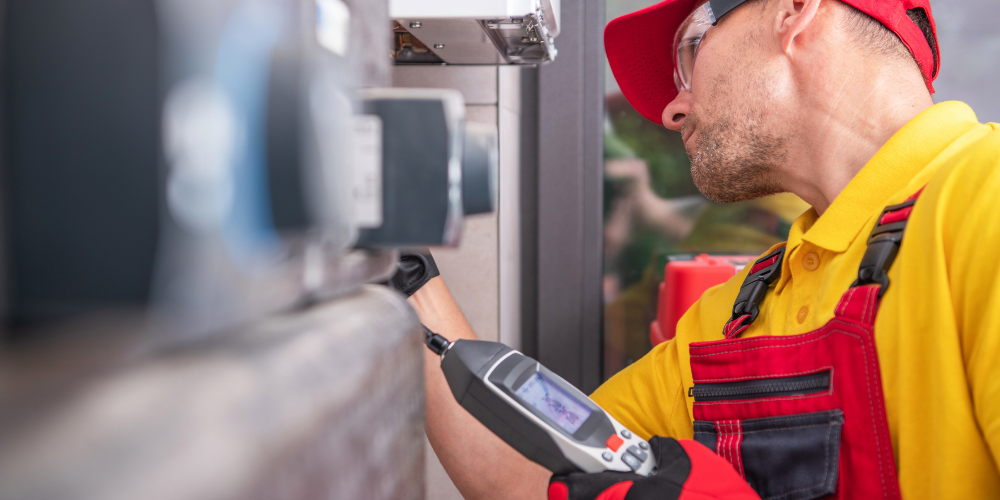
Smart devices improve pipe leak detection by alerting you to problems before they escalate. Leak sensors and water alarms provide real-time alerts, so you can address small leaks before they lead to larger repairs.
To improve monitoring in real time, consider the following tools:
- Leak sensors: Place sensors under sinks, behind toilets, near water heaters, and by washing machines to catch drips early.
- Water alarms: Use alarms in basements, utility rooms, and near floor drains to detect water collecting on surfaces.
- Smart shutoff systems: Choose devices that send alerts and automatically shut off the main water line when they detect abnormal water use.
- Phone alerts: App-connected devices keep you informed even when away.
Advanced moisture detection devices also help locate hidden plumbing leaks behind walls by identifying damp areas that are not visible during a basic inspection. To narrow down the source of a concealed leak, these tools can help:
- Pin-type meters: Measure moisture levels in drywall or wood to confirm damp spots without opening the wall.
- Pinless meters: Scan wider wall sections to find moisture patterns and likely leak paths.
- Thermal imaging cameras: Detect temperature differences caused by wet materials, helping trace the spread of leaks behind surfaces.
- Acoustic leak detectors: Identify sound changes from leaking pipes, enabling a more precise location.

When to Call a Leak Inspection Service
Some leaks stay completely hidden behind ceilings, floors, or wall cavities. When DIY checks fail to pinpoint the source, a leak inspection service becomes the safest next step. Professional support is essential when you notice the following issues:
- Rising water bill without a clear cause: Hidden supply leaks can raise costs even with no visible water.
- Ongoing damp spots or staining: Moisture can spread behind surfaces before major damage shows.
- Musty odors or recurring mildew: Hidden water issues can return even after cleaning.
- Wet areas near kitchens, bathrooms, or laundry: Slow leaks often start near fixtures or drains.
- Water damage after heavy rain: Intrusion may come from roofs, windows, or poor drainage.
A professional leak inspection also adds value by combining experience with accurate moisture detection methods, reducing guesswork and limiting unnecessary repairs. Key benefits include the following:
- Focused testing: Inspectors locate moisture patterns and narrow down the source.
- Accurate evaluation: They determine whether the issue involves plumbing, condensation, or exterior water entry.
- Clear documentation: Detailed findings support repair planning and faster resolution.
- Early action: Quick detection lowers the risk of mold growth and structural damage.

Prevent Bigger Plumbing Repairs
Preventing bigger plumbing repairs starts with simple home maintenance habits that help you catch issues early. When you stay consistent, you support pipe leak detection and reduce the chance of hidden damage. Use the following plumbing practices to keep problems from growing:
- Routine checks: Look under sinks, around toilets, near the water heater, and along exposed lines for drips, staining, or corrosion.
- Monitor water pressure: Track pressure levels and address spikes, since high pressure can strain joints and valves.
- Watch your water bill: Compare monthly use and investigate sudden increases, since changes often point to a leak.
- Notice warning signs: Pay attention to running toilets, pipe noise, slow drains, damp spots, or musty odors.
- Test shutoff valves: Confirm valves work correctly, so you can stop water quickly when needed.
Early repairs also limit damage when you use moisture detection to guide the next steps. Since small leaks can spread behind walls or under floors, quick action helps you in several ways, such as:
- Protect building materials: Early fixes reduce damage to drywall, wood, flooring, and insulation.
- Control repair costs: You avoid costly replacements by addressing leaks before they worsen.
- Reduce mold risk: Fast repairs prevent damp conditions that allow mold growth.
- Support long-term system performance: Small repairs keep plumbing lines stable and reduce recurring issues.
Stop Leaks Before They Spread!
Catching problems early makes all the difference. When you act on minor warning signs, you prevent sudden breakdowns and avoid expensive repairs. Early moisture detection helps you stop hidden water damage before it spreads to walls, floors, or framing. At the same time, combining simple DIY awareness with a trusted leak inspection service gives you stronger protection and more precise answers.
Instead of waiting for a plumbing emergency, take control now. Schedule a professional pipe leak inspection service in Daly City, CA, to get reliable moisture detection and dependable early plumbing repairs. A timely leak inspection service keeps your home protected and your repair costs manageable.
References:
- Hamilton, S., & Charalambous, B. (2020). Leak detection. IWA Publishing eBooks. Retrieved from https://doi.org/10.2166/9781789060850
- How to Spot a Hidden Water Leak in Your Home | International Journal of Research (n.d.). How to spot a hidden water leak in your home. Retrieved from https://internationaljournalofresearch.com/2025/05/30/how-to-spot-a-hidden-water-leak-in-your-home/
- Wireless Water Leak Detection | Professional Insurance Agents of Wisconsin. (n.d.). Retrieved from https://www.piaw.org/2023/10/17/wireless-water-leak-detection/